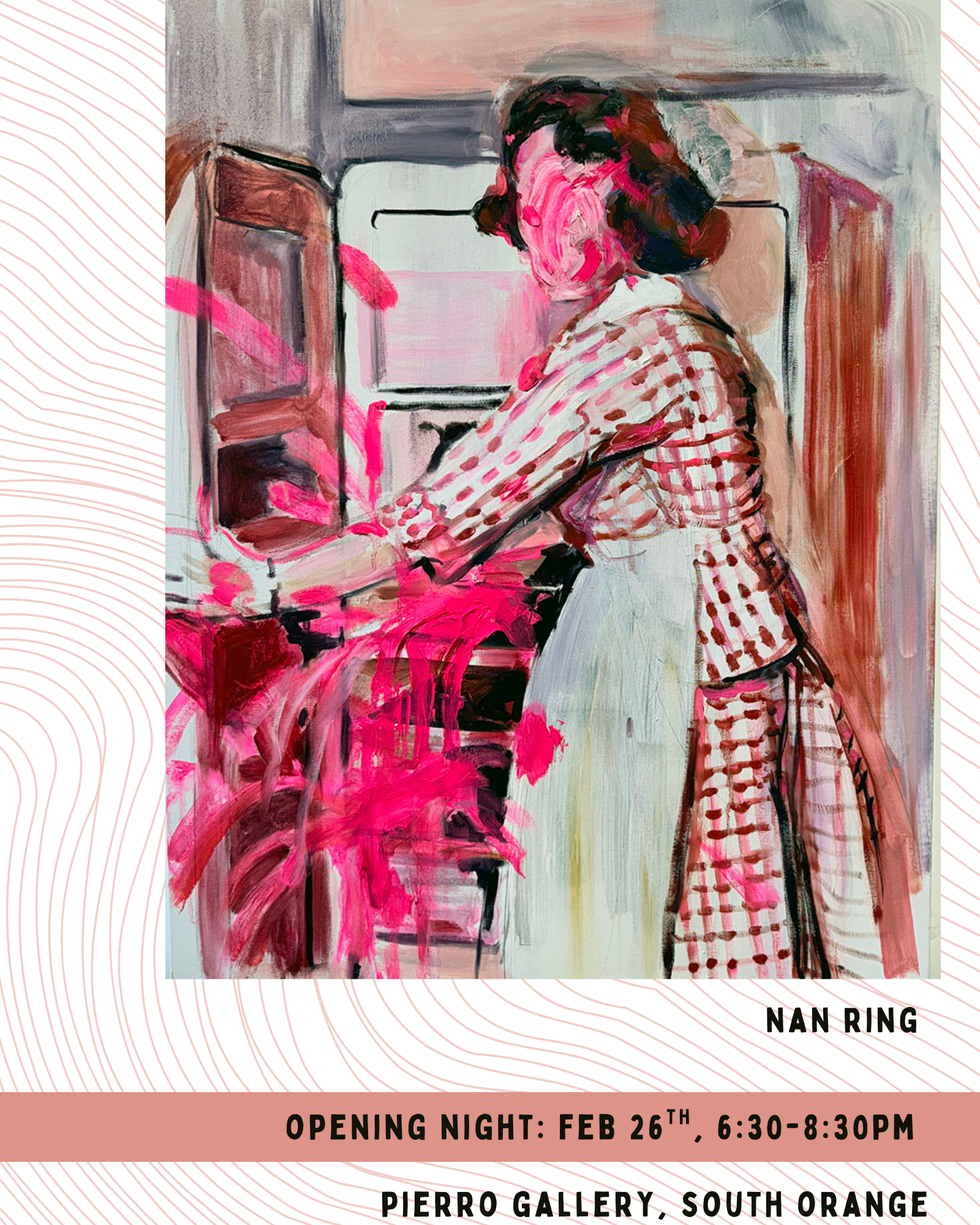
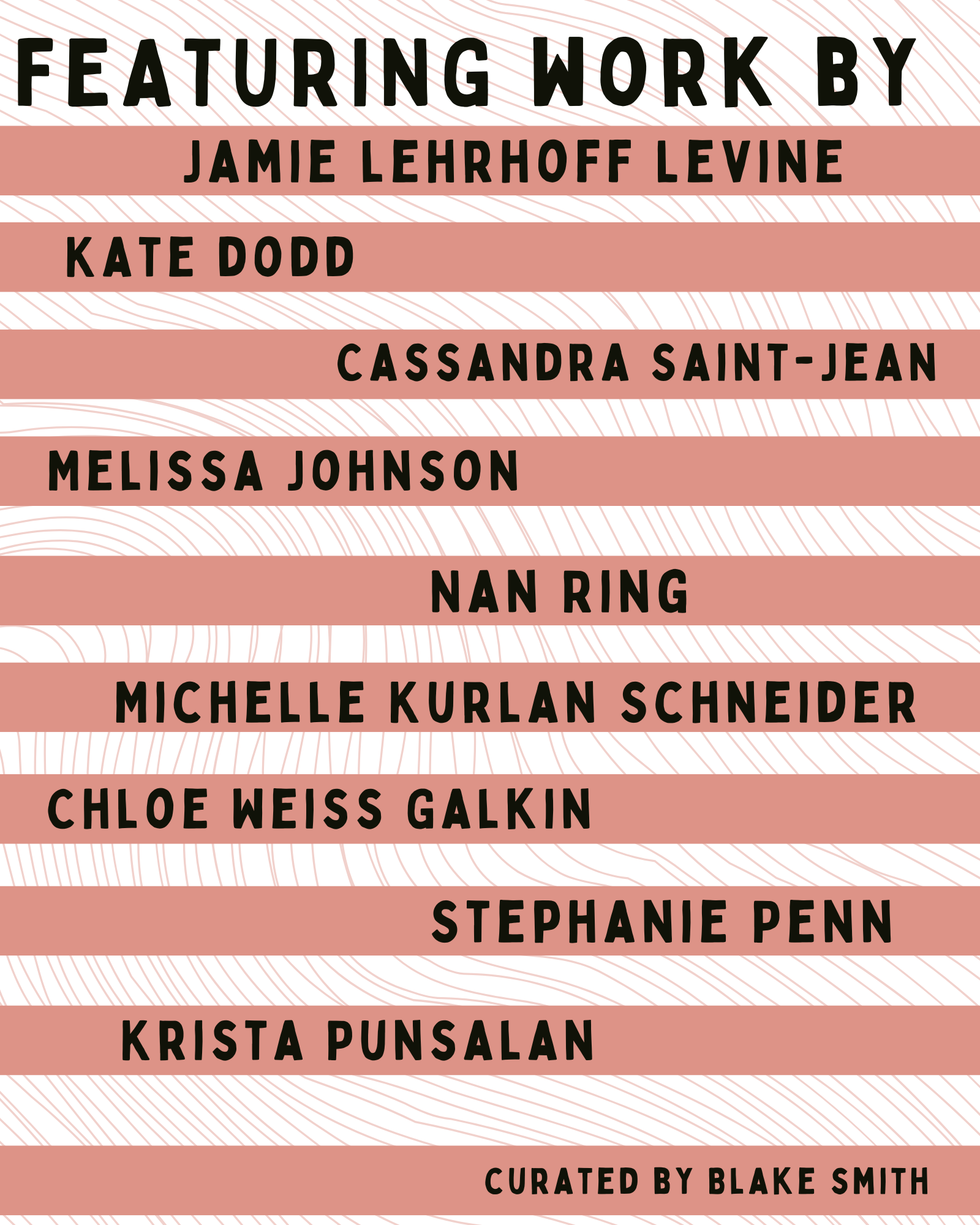
An Invitation to Female Hysteria
Hi Friends,
I am taking part in an upcoming exhibition titled Female Hysteria, and I wanted to share more than just an announcement by sharing the meaning behind it. I am inviting you into the heart of the show, the ideas it explores, and the works I will be presenting. I hope as you read, you feel not only informed, but connected.
Hysteria was a term once used to describe women who were thought to be overly emotional, irrational, or unstable. Doctors and society often treated it like a medical condition, even though it was based on outdated beliefs about women’s bodies and emotions.
The word came from an old idea that a woman’s emotions were connected to her reproductive system. Because of this belief, women who showed strong feelings, such as anger, sadness, desire, or anxiety, were sometimes labeled as “hysterical.” This label was often used to dismiss or control women instead of truly understanding them.
How Hysteria Differs from Modern Mental Health:
Today, mental health is understood through research and clinical evidence. Modern diagnoses are based on specific symptoms and patterns of behavior, and they apply to everyone, men and women.
The key difference is this:
Hysteria was a vague and biased label that was often used to dismiss women’s experiences by ignoring the real-life causes behind those feelings.
Modern mental health diagnoses are defined by scientific criteria and are meant to help people receive accurate treatment and support.
While some experiences once called “hysteria” might now be understood as anxiety, depression, trauma, or other conditions, hysteria itself is no longer recognized as a real medical diagnosis today.
Today, we know that emotions are not a weakness. In fact, they are part of what makes us human. This exhibition takes the old idea of hysteria and flips it. It celebrates women artists who embrace intensity, beauty, rage, humor, vulnerability, and power. Instead of using the word to shame women, the show uses it to honor the strength found in emotion.
About Some Of The Works I Will Be Presenting:
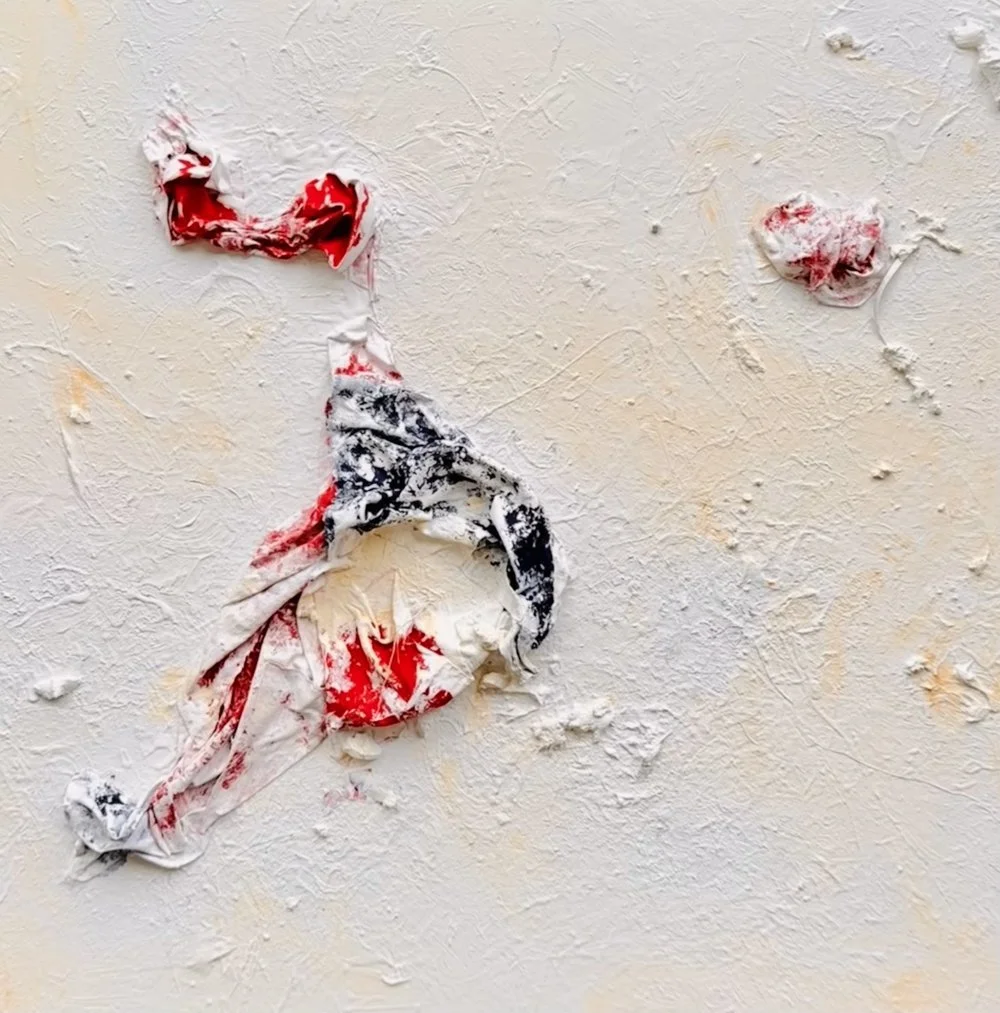
Deep Within:
This piece explores what happens when emotions are kept inside. It shows the complicated inner world that many women carry‚ feelings that are not always visible, but are still real and powerful. The work asks viewers to consider what it means to hold so much beneath the surface.

Passenger:
The figure in this artwork looks like it has always been there, like it was just waiting for someone to notice it. It feels powerful and connected to nature, as if it was shaped by the same forces that shape the land, water, and wind. Its energy feels intense and hard to ignore, showing big emotions that take up space. The work pushes back against the idea that these emotions are something to hide, and instead makes them visible and important.
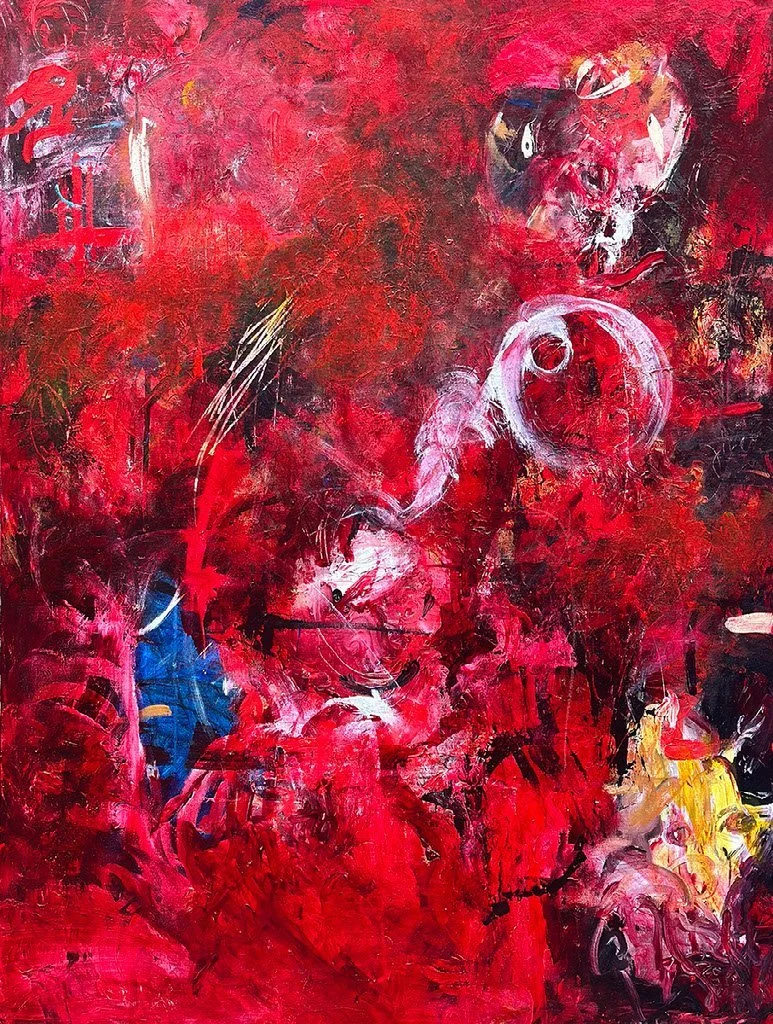
Surrender:
This painting uses bold red and blue to show what happens when someone lets go of control. The red represents intense feelings and energy, while the blue adds depth and calm. The piece shows that surrender is not weakness‚ it can be a powerful choice to release what you have been holding inside.
This exhibition is a reminder that emotions are not something to be controlled or judged. They are part of what makes women strong, creative, and real. Female Hysteria invites you to see intensity not as a problem, but as a source of power.